
Your bankroll’s ready, your strategy’s dialed in, and then the pit boss tells you you’re “coloring up,” the player next to you groans about a “bad beat,” and someone asks if you’re playing on a “marker.” If that felt like another language, that’s because it is. Gambling slang is its own dialect, and if you don’t speak it, you risk missing cues, context, and sometimes opportunities.
I’ve played in VIP rooms, chased sticky bonuses, and seen more “whales” and “railbirds” than I can count. The same pattern holds everywhere: players fluent in common casino terms and gambling lingo make sharper decisions. They pick up dealer calls instantly, sidestep rookie blunders, and fit seamlessly into the flow, whether they’re in the pit, at a poker table, or in a live chat.
This guide is your fast-track to speaking the language of the game. Short, clear definitions. Real-world examples. Insider context. Bookmark it before your next session, and you won’t just play, you’ll belong.
Table of contents
- Why Knowing Gambling Slang Gives You an Edge
- Core Gambling Slang – The Universal Terms Every Player Should Know
- Poker Lingo That Crosses Over to Other Games
- Slot & Casino Floor Slang
- Sports Betting & Online Gambling Slang
- Fun & Quirky Gambling Slang You’ll Hear Once You’re “In”
- Quick Reference Table – Gambling Slang at a Glance
- FAQ – Gambling Slang Explained
Why Knowing Gambling Slang Gives You an Edge
Casinos, whether you’re stepping into a Las Vegas pit or logging into a live dealer room, have their own rhythm. The language isn’t just part of the culture; it’s part of the game. Speak it fluently, and you’re not just another player, you’re someone who knows how the floor works.
Instant credibility. Use the right terms and you immediately blend in with regulars. Dealers, pit bosses, and even seasoned high rollers take you more seriously when you speak their language. It’s like walking into a poker night already knowing the difference between “all-in” and a “straddle”, people notice.
Faster decisions. Timing is everything. If a dealer calls “color up,” you’ll be exchanging small chips for higher-value ones without hesitation. If a sportsbook buddy says “lay the points,” you’ll know exactly what that means, no mid-bet Googling.
Fewer rookie mistakes. Misunderstanding the table talk can cost you more than pride. I’ve watched new players accidentally raise when they meant to call, simply because they didn’t catch the slang. One slip like that can derail your entire session.
Core Gambling Slang – The Universal Terms Every Player Should Know
Whether you’re in a Vegas pit, on a cruise ship casino, or spinning reels online, these core casino terms are everywhere. They’re the foundation of gambling slang, master them, and the rest of the lingo will fall into place.
Bankroll, Marker, and Stake
Bankroll – Your dedicated gambling fund. This isn’t your rent money or the cash in your pocket for dinner, it’s the amount you’ve set aside only for play.
Example: “I’m managing my bankroll so I can play every day this weekend without going bust.”
Marker – A casino-issued credit line, common in high-limit rooms. You sign for it, play, then settle up before leaving.
Example: “He pulled a €/$ 20k marker and headed straight to the baccarat table.”
Stake – The amount you wager on a specific hand, spin, or bet. It could be pennies online or thousands in a high-roller pit.
Example: “My usual stake on blackjack is €/$ 25 per hand.”
Action, Vig, and Juice
Action – Any bet in play. In poker, being “in the action” means you have chips committed to the pot. In sports betting, it means you’ve got money riding on the outcome.
Example: “I’ve got action on both the over and the spread tonight.”
Vig (short for vigorish) – The commission the casino or bookmaker takes on a bet.
Juice – Another term for vig, used heavily in sports betting circles.
Example: “The juice on that NFL bet is 10%, so you’ll need to risk €/$ 110 to win €/$ 100.”
Pro Tip: These aren’t just casual expressions, they’re shorthand for understanding how money moves in any gambling environment. Learn them early, and your play will feel smoother and more controlled.
Poker Lingo That Crosses Over to Other Games
Poker has a way of creeping into every corner of the gambling world. Even if you’ve never held a pair of cards, you’ll hear poker-born gambling lingo at blackjack tables, in sportsbook chats, and even in online slot rooms. These terms give you context, and sometimes a good laugh, no matter what game you’re playing.
All-In, River, and Bad Beat
All-In – Betting all your remaining chips in one move. It’s a high-pressure, all-or-nothing decision as much about reading opponents as it is about the cards.
Example: “I went all-in on my pocket kings, he still caught an ace on the river.”
River – The fifth and final community card in Texas Hold’em, often the card that seals victory… or disaster.
Example: “I had him crushed until the river gave him a flush.”
Bad Beat – Losing a hand you were heavily favored to win, often in a gut-punch, last-card twist.
Example: “Pocket aces cracked by 7-2 offsuit? That’s a bad beat.”
These phrases are so ingrained in gambling culture that you’ll hear them outside poker. Slot players might say they went “all-in” on a max bet or call a near-miss a “bad beat.” It’s universal gambler shorthand.
Shark, Fish, and Donkey
Shark – A seasoned player who knows how to spot and exploit weaker opponents.
Example: “Don’t sit to his left, he’s a shark.”
Fish – An inexperienced or unskilled player, often outmatched.
Example: “The table’s full of fish tonight, it’s a feeding frenzy.”
Donkey – A player who makes consistently poor decisions, ignoring odds and logic.
Example: “He called every bet with bottom pair, total donkey move.”
Pro Tip: Avoid becoming the “fish” by managing your bankroll, sticking to games you know, and leaving your ego at the door. Sharks thrive on impatience and tilt, stay steady, not flashy.
Slot & Casino Floor Slang
The casino floor has its own soundtrack, reels spinning, chips clinking, and players throwing around terms that can sound like code if you’re not in the know. These bits of gambling slang are part of the culture whether you’re feeding a penny slot or taking shots in the high-limit room.
Hit, Jackpot, and 777
Hit – Any payout on a slot machine, no matter the size. It could be a small win that keeps you in the game or a bigger score that boosts your session.
Example: “I hit three bars for a €/$ 50 win.”
Jackpot – The top prize on a machine, often progressive and capable of hitting six or seven figures.
Example: “She hit the jackpot on Megaways after just ten spins.”
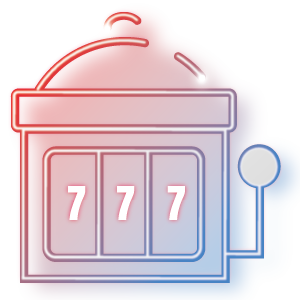
777 – The iconic slot symbol for luck, tied to big payouts and the golden era of mechanical slots.
Example: “Three 7s across the line, that’s the dream.”
While 777 and jackpots carry a certain superstition, it’s worth remembering: slot outcomes are dictated by RNGs (Random Number Generators), not luck charms. Talking about luck is part of the fun, but the math is always running the show.
Loose, Tight, and Max Bet
Loose – A slot believed to pay out more frequently or generously than others.
Tight – The opposite, machines that seem to hold onto every coin.
Max Bet – The highest wager per spin, often required to qualify for the biggest jackpots or bonus features.
Example: “The machine by the bar is loose, you should max bet for the bonus round.”
Pro Tip: Chasing “loose” slots is mostly myth. While payout percentages can be adjusted, you can’t reliably spot them in the short term. If you’re going max bet, do it because your bankroll can absorb the swings, not because a guy two seats over swears it’s due.
Sports Betting & Online Gambling Slang
Even if you’ve never placed a wager on a football game, sports betting terms have a way of slipping into casino conversations. With online gambling blurring the lines between table games, slots, and sportsbooks, you’ll hear this slang everywhere, from live dealer chats to the bar near the roulette wheel.
Favorite, Underdog, and Spread
Favorite – The team or player expected to win, reflected in shorter odds.
Example: “The favorite is -150, so you’ll need to risk €/$ 150 to win €/$ 100.”
Underdog – The side expected to lose, often offering bigger payouts if they pull off a win.
Example: “I like betting the underdog, more risk, bigger reward.”
Spread – A points handicap set by oddsmakers to level the field. The favorite must win by more than the spread; the underdog can “cover” by losing by fewer points or winning outright.
Example: “The spread is 6.5, so they need to win by at least seven.”
You’ll hear these in casual casino talk because so many gamblers cross over between the pit and the sportsbook. Knowing them means you can keep up, and keep your place, in the conversation.
Bad Beat Stories
In sports betting, a bad beat is when a wager loses in a gut-punch, last-minute twist, similar to poker.
Example: “They were covering the spread until that garbage-time touchdown.”
In poker rooms, bad beat stories are practically a sport of their own. Players recount the improbable ways they lost a hand, often with all the drama of a movie climax. Online chats, whether in slots, live dealer blackjack, or sports forums, are full of the same “one that got away” tales.
Pro Tip: Enjoy the storytelling, but don’t get stuck in it. The best players treat bad beats as part of the grind, not a reason to chase losses.
Fun & Quirky Gambling Slang You’ll Hear Once You’re “In”
After enough hours on the floor or in online lobbies, the language shifts. The slang gets bolder, the nicknames more colorful, and the references start to feel like an inside joke. These are the terms that signal you’ve moved past beginner status and into the club.
Monkey, Gorilla, and C-Note
Monkey – Slang for €/$ 500 in chips or cash.
Example: “He dropped a monkey on the roulette wheel in one spin.”
Gorilla – €/$ 1 000, often used in high-limit rooms.
Example: “She bet a gorilla on banker in baccarat, and won.”
C-Note – A €/$ 100 bill, named after the Roman numeral “C” (100).
Example: “I cashed out with five C-notes and called it a night.”
These money nicknames aren’t essential to play, but they add flavor to table banter. You’ll usually hear them from dealers, regulars, and high-limit room players who’ve been around the block.
Whale, High Roller, and Railbird
Whale – An ultra-high-stakes gambler whose action can swing a casino’s entire night. Whales get VIP suites, private tables, and the kind of comps most players only dream of.
Example: “The whale flew in on a private jet and started at €/$ 50k a hand.”
High Roller – A player who bets big on a consistent basis, though not at whale territory.
Example: “The high rollers are in the salon privé tonight.”
Railbird – A spectator who hangs around the table, watching without playing, common in poker rooms and high-stakes matches.
Example: “The railbirds crowded around when the pot hit six figures.”
If you hear these words about you, congratulations, you’re either betting big, playing at a high enough level to get noticed, or both. Just remember: with bigger bets comes bigger variance, so even high rollers need to protect their bankroll.
Quick Reference Table – Gambling Slang at a Glance
| Term | Meaning | Example in Play |
| Bankroll | Money set aside exclusively for gambling | “I’m stretching my bankroll to last the whole weekend.” |
| Marker | Casino-issued credit line | “He played baccarat on a €/$ 20k marker.” |
| Stake | Amount wagered on a specific bet or hand | “My stake on this spin is €/$ 5.” |
| Action | Any bet currently in play | “I’ve got action on both games tonight.” |
| Vig / Juice | Casino or bookmaker’s commission | “The vig on that bet is 10%.” |
| All-In | Betting all your remaining chips | “I went all-in on my pocket kings.” |
| River | Final community card in Texas Hold’em | “The river gave her a full house.” |
| Bad Beat | Losing a bet you were favored to win | “That last-minute goal was a bad beat.” |
| Hit | Any slot payout | “I hit triple bars for a €/$ 50 win.” |
| Jackpot | Largest prize available on a machine | “He hit the jackpot after 15 spins.” |
| 777 | Iconic slot symbol of luck | “Three 7s across means a big payout.” |
| Loose | Slot believed to pay more frequently | “That machine by the door is loose.” |
| Tight | Slot believed to pay less frequently | “Stay away from that tight machine.” |
| Max Bet | Highest allowed wager per spin | “I’m going max bet to unlock the bonus.” |
| Favorite | Expected winner in sports betting | “The favorite is -200 on the moneyline.” |
| Underdog | Expected loser in sports betting | “I’m taking the underdog for better odds.” |
| Spread | Points handicap in sports betting | “They covered the spread with that last basket.” |
| Monkey | €/$ 500 in chips or cash | “He put a monkey on black.” |
| Gorilla | €/$ 1 000 in chips or cash | “She bet a gorilla on banker and won.” |
| C-Note | €/$ 100 bill | “I cashed out with three C-notes.” |
| Whale | Ultra-high-stakes player | “The whale just sat at the VIP table.” |
| Railbird | Spectator watching without playing | “The railbirds gathered to watch the final hand.” |
FAQ – Gambling Slang Explained
Gamblers often talk about “lady luck” when they’re on a hot streak, or refer to “running good” in poker circles. While luck makes for great table talk, the real game is always driven by math and strategy.
In gambling slang, your overall play fund is your bankroll. Specific denominations have their own nicknames, like a C-note for €/$ 100, a monkey for €/$ 500, and a gorilla for €/$ 1 000.
A €/$ 100 bill is commonly called a C-note or a Benjamin, thanks to Benjamin Franklin’s face on the bill. In most casinos, €/$ 100 chips are black, so you might also hear “black chip.”
In slots, 777 is the iconic symbol of luck and usually signals a top payout. It’s a throwback to classic mechanical slot machines, where three sevens meant you’d just hit the best possible combination.
High-stakes players are called high rollers, and at the top tier, they’re known as whales. These players get VIP perks like private tables, luxury suites, and exclusive comps most gamblers never see.